
Inside the Essex County Most Wanted Program
Essex County has no single county-wide most wanted program. Several agencies publish narrow lists instead. The State Police post cases involving serious, often violent fugitives. The Parole Board lists people who have violated parole. City police departments publish local cases they want help solving. Each entry is a curated public safety notice rather than a court record, and that difference shapes how the pages can be used. A most wanted list answers one question: whom does this agency want the public to help find? It does not answer whether a named person has an open warrant. For that, only the issuing court can say. A clerk there remains the reliable source for any personal warrant status, so a warrant check in Essex County starts at the courthouse rather than on a wanted page.
No Essex Warrant Roster From the Sheriff
The Essex County Sheriff runs the county correctional facility. The office also runs a civil process division. It posts no public criminal most wanted list on its official site. The division most often mistaken for a warrant unit is civil. Its capias work enforces court orders tied to unpaid civil judgments. That body of law stands apart from criminal cases. The gap is not an error. Massachusetts keeps criminal warrant status in an internal system used by courts and police, and no county site publishes a roster of it. A resident hunting a sheriff's warrant list comes home empty. That absence says nothing about any individual case. Note: civil process questions go to the sheriff's Civil Process Division, while criminal warrant questions go to the clerk of the issuing court.
How Essex County Most Wanted Lists Work
A most wanted list is selective. Agencies pick cases the public might help with. They publish a limited number of them. The page gets updated when a case closes or a new one goes up. There is no public schedule, no feed, and no county-wide count, so an Essex County list can look stale and still be current. Curation also means the list holds a small fraction of the process outstanding at any time. The rest sits on dockets elsewhere. The seven District Court locations and the Superior Court hold those matters, a case index makes them visible, and a clerk confirms any warrant in Essex County.
Three Essex Most Wanted Programs
The programs an Essex County reader is most likely to meet are state and local rather than county-run. Each takes its own tips. Each covers its own population.
| State Police most wanted | A statewide curated list for serious fugitive cases, with its own tip line and a published instruction not to act independently |
|---|---|
| Parole Board warrant and apprehension | A reporting channel for wanted parolees, with a dedicated phone line and email options |
| City police lists | Short local lists that some departments publish on their own websites for their own jurisdictions |
| Court dockets | Not a list at all, but the record that shows whether process exists on a named case |
Sending a Most Wanted Tip Safely
A tip works best at the right agency. Send it to the office that owns the list, and include what a dispatcher can use: a location, a time, a description, and a vehicle if there is one. Most Essex County tip lines take anonymous reports.
Key Rules:
The State Police most wanted page directs tips to its Violent Fugitive Apprehension Section and states plainly that the public should not take action alone.
The wanted parolee reporting page takes tips by phone and email, and refers emergencies to 911.
No agency asks for payment in exchange for acting on a tip, and no agency texts court documents to a tipster.
Essex Most Wanted: Rewards and Updates
Programs elsewhere in the country advertise reward amounts and posting schedules. Essex County does neither. The sheriff publishes no most wanted program, no reward schedule, and no posting cadence, while the city and state programs post whatever they choose on their own pages. The details vary by agency. They also change without notice. Anyone weighing a reward offer should confirm it on the agency's own page first. Repackaged wanted posters often carry old material. Some even charge for what is free.
How Most Wanted Differs From an Active Warrant
The two ideas overlap in public conversation. They describe different things. A most wanted list is a choice an Essex County agency makes, while an active warrant is a legal status a court records: one is a fraction, the other the record of the case.
| Point | Most Wanted List | Active Warrant |
|---|---|---|
| Who creates it | An agency, for its own purposes | A court, on a complaint or indictment |
| How complete it is | Selective and curated | Every open case, held on its docket |
| How it is checked | By reading the published list | By asking the issuing clerk |
| What clears it | An agency update or removal | Recall, discharge, service, or resolution |
Most Wanted Lists Are Not Essex Dockets
Some people check a most wanted page for their own name. A clean result reassures them. That reassurance proves nothing. The page holds only the cases an agency chose to post, and most open process never appears on one. The reliable check runs through the court record. Search the case index under the right division, note the docket number, and call the clerk about the Essex County warrant. If one shows up, the next step runs through a lawyer and the court, not a tip line.
When You Believe You Are Listed
Finding your own name on a published list calls for a lawyer, and quickly. Reach the Essex County issuing court through counsel. Ask what the court requires. Follow that instruction, not advice from a stranger. Do not call the tip line about your own case, and do not expect a warrant counter at a police station.
Important: Contact an attorney and the issuing court. Do not approach officers or anyone on a list, and never pay anyone who promises to remove a warrant for a fee.
Essex Most Wanted Tip and Records
Call the right desk and you get the right answer in Essex County. A records request belongs with the records office. A tip about a listed case goes to the tip line the agency publishes. Warrant status questions are different. Only the court clerk can speak to a court record, so the police department will send you there. The Lynn Police Department contact page posts the department's published numbers, and the Lawrence Police Department contact page does the same for its own desks.
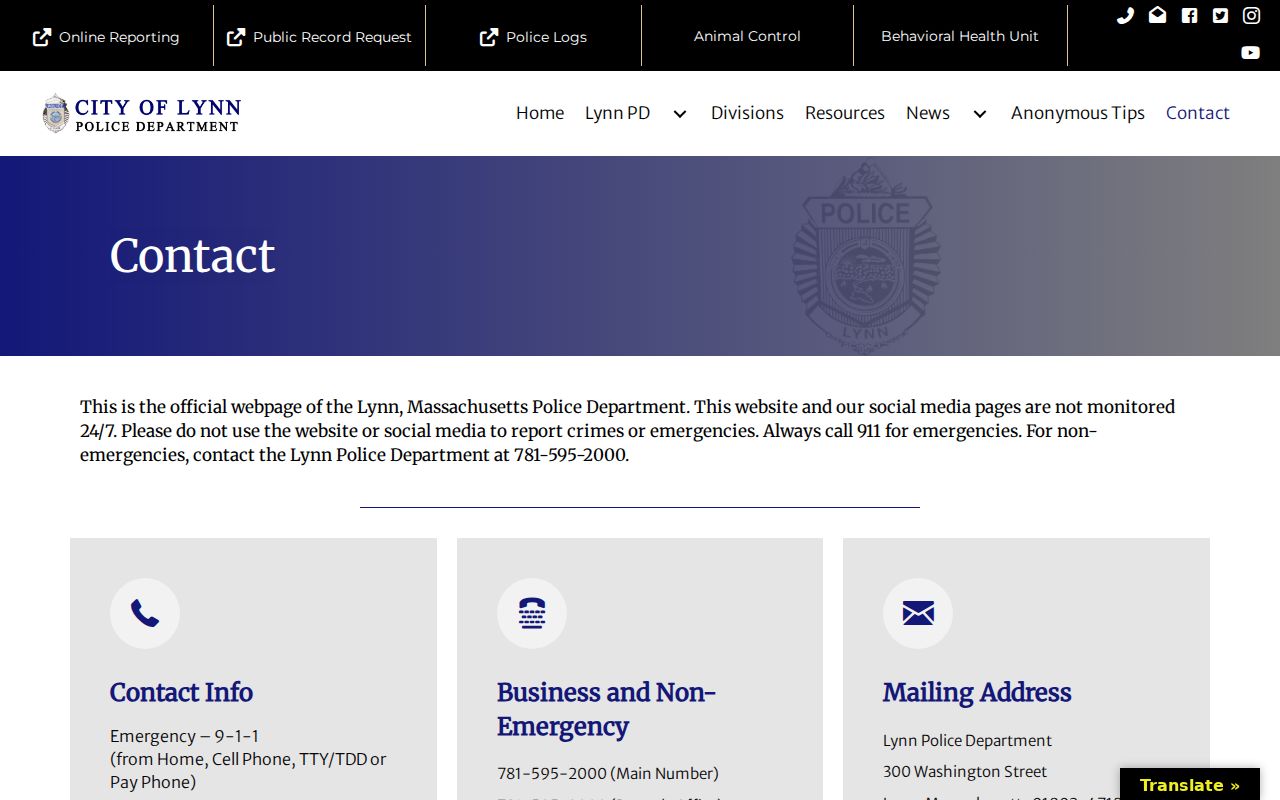
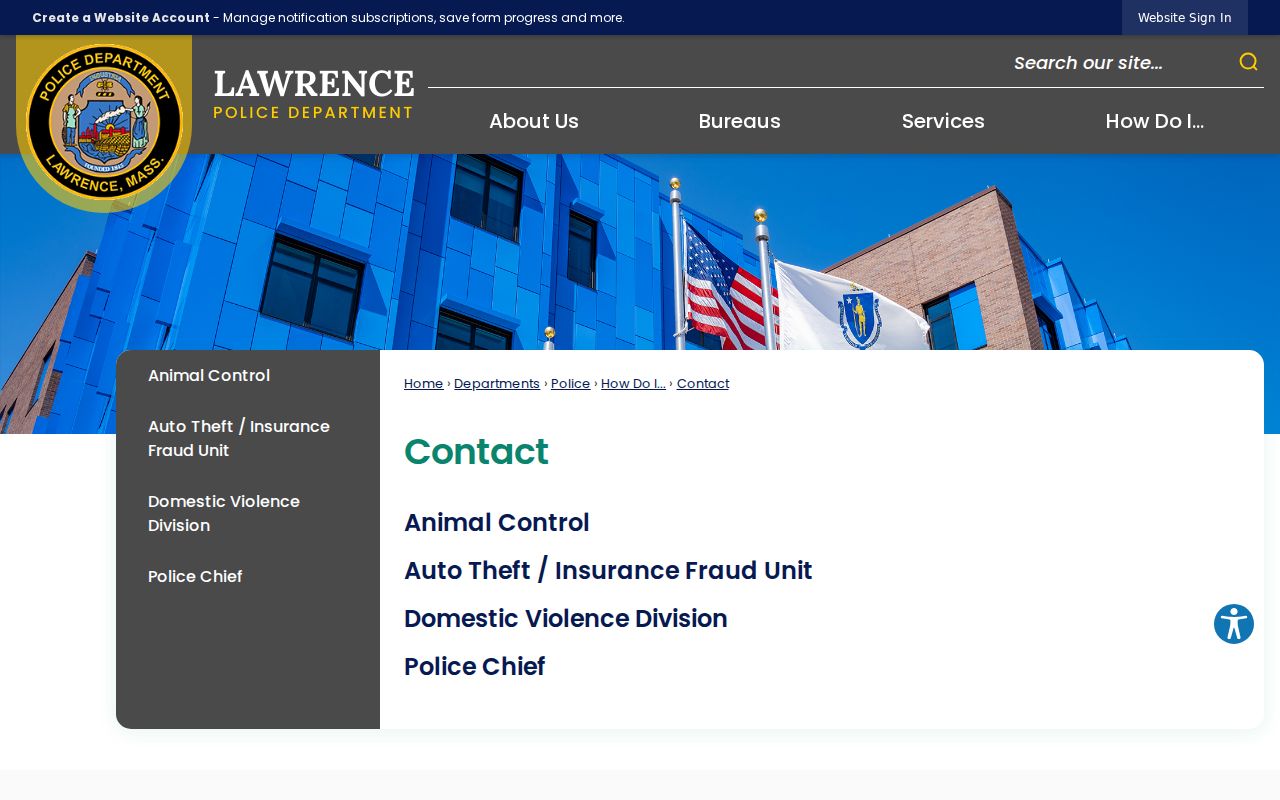
Neither page offers a warrant lookup, which matches the pattern across Essex County. For state matters, the State Police program page takes tips, as does the parolee reporting page.
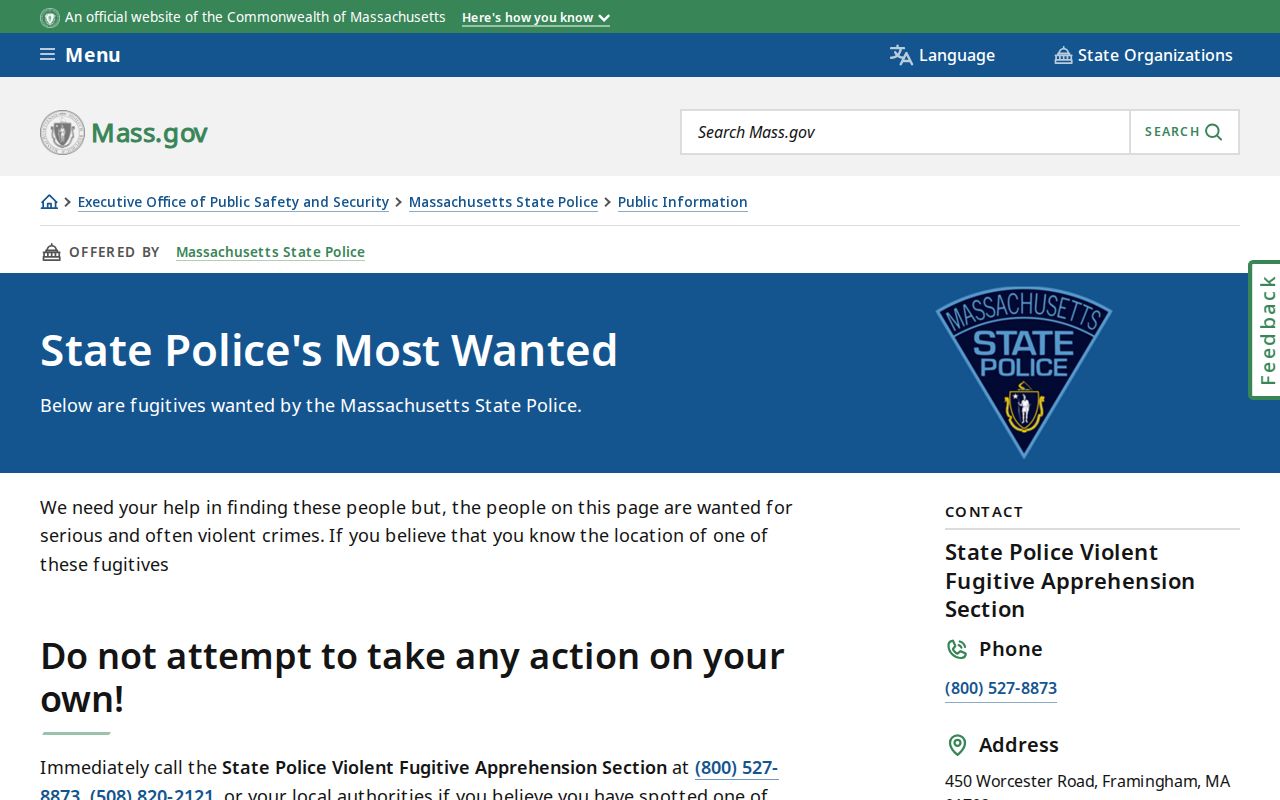
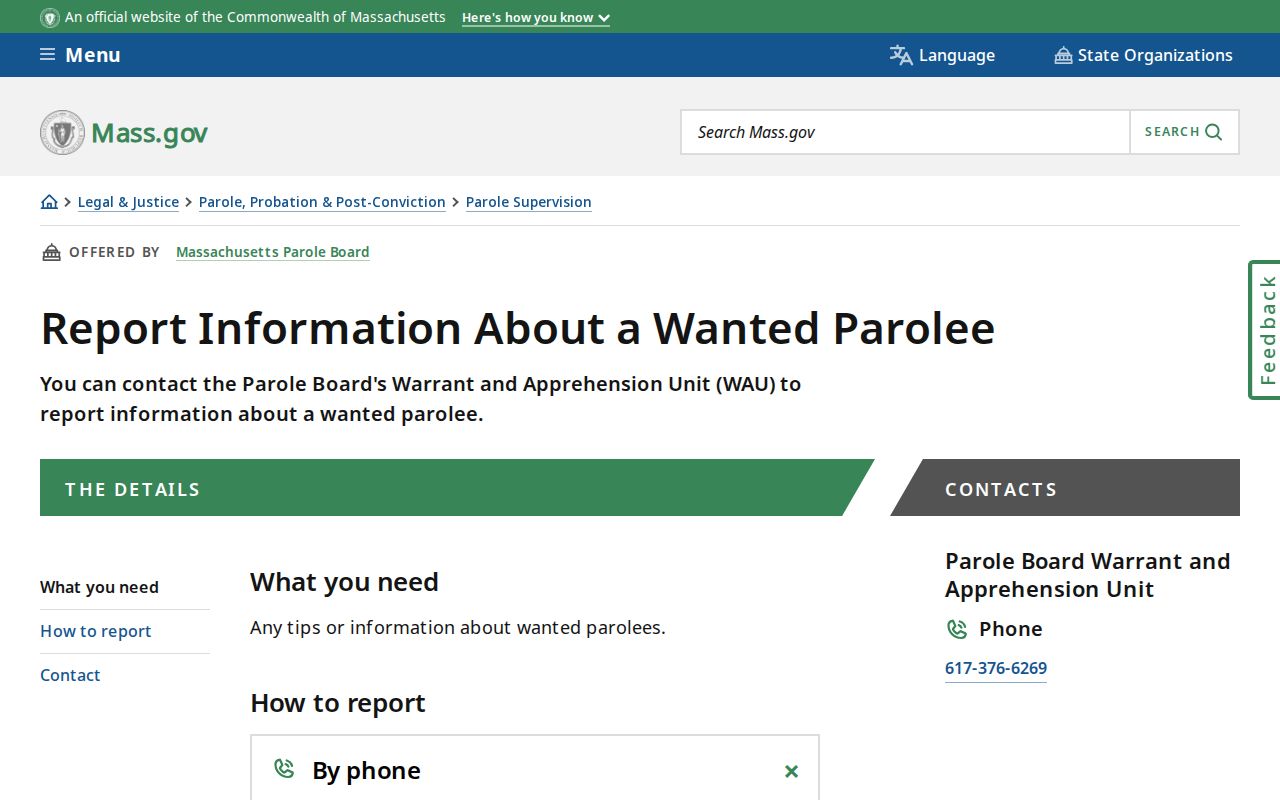
Both pages tell you how to pass along what you know without approaching anyone. In Essex County, that is the only safe way to help.