
How Bench Warrants Work in Essex County
A bench warrant is simply arrest process that a judge signs after someone skips something a court required. The default is usually a missed appearance, an ignored summons, or a skipped probation appointment. The case already exists, so the warrant attaches to an open docket rather than opening anything new. That is what separates it from the warrant that starts a criminal case from scratch. In Essex County, whichever judge holds the file controls the process. District Courts in Lawrence, Lynn, Salem, Haverhill, Peabody, Gloucester, and Newburyport each keep their own, and the Superior Court in Salem holds the felony and indictment files. No county office keeps a combined Essex County warrant list, so the court that set the case is the office to call about an active warrant.
Bench Warrant or Default Warrant
Official Massachusetts pages tend to say warrant, default warrant, or warrant for arrest rather than bench warrant. What matters is the split between the two kinds of default. A criminal default follows a missed court date or a violation of release conditions. A payment-only default follows an unpaid fine, assessment, cost, restitution, or support amount, and state law gives that warrant its own payment and discharge route. So read the docket. The reason recorded there decides which remedy fits, and in Essex County the clerk can read it to you. A payment default may be resolvable by paying what is owed, while a missed appearance generally takes a recall or a new court date.
Bench Warrant Issuance in Essex County
Issuance starts with something the court can see on its own record: a hearing scheduled and not attended, a summons served and not answered, or a payment ordered and not made. The court notes the default and may issue process to an officer authorized to serve criminal process. A warrant can be executed anywhere in Massachusetts, not just in Essex County. After service, the officer reports back and the court picks the case up again. Release then turns on the bail statute, and the court runs a warrant check before letting anyone go. That matters because a second open matter elsewhere can change the outcome, even when the Essex County case itself looks simple.
What Triggers a Warrant in Essex Courts
Most triggers in Essex County begin with a mailed notice that went unanswered. The courts see the same handful of defaults again and again. These are the ones state sources document for this county, in rough order of how often they come up.
- Missing an arraignment, pretrial conference, hearing, or trial date.
- Failing to answer a summons or other criminal process.
- Violating a condition of release or failing to report to probation.
- Not paying a court-ordered fine, cost, restitution, or support amount.
- Ignoring a civil motor vehicle contempt summons after service.
- Failing to appear for a jury duty delinquency arraignment.
Note: the reason on the docket is what shapes the fix in Essex County, so read it before calling the court.
How Bench and Arrest Warrants Differ
The two warrant types share service rules but come from different places. A bench warrant attaches to a case already open, so the charge and next step usually sit on the docket already. An arrest warrant often starts the case instead. It flows from a complaint found to support probable cause or from an indictment. Essex County dockets make the difference easy to spot once you know which one you are looking at.
| Point | Bench or Default Warrant | Arrest Warrant |
|---|---|---|
| Trigger | Missed appearance, noncompliance, unpaid amount | Probable cause finding or indictment |
| Issuer | The judge holding the open case | District Court officer or Superior Court |
| Typical first move | Call the clerk and ask about a recall or new date | Talk to a lawyer about surrender or appearance |
| What survives | The original case and its conditions | The new charge and its arraignment |
Essex Warrants After a Missed Date
Order of operations beats speed here. Calling the Essex County clerk before the court acts on its own puts you in a far better spot than waiting for a knock at the door. Judges see the difference.
- Call the clerk of the issuing court, give the docket number, and describe the missed event.
- Ask whether the warrant is still open and whether a motion, a phone call, or an appearance is required.
- Ask a lawyer to file or appear if one is already on the case, and ask about a public defender if not.
- Gather identification, the docket number, and documents that explain the absence.
- Appear at the issuing court if directed, and ask for written proof once the warrant is recalled.
The state's warrant check guidance gives the same sequence for Essex County and warns that paperwork may not be ready same day.
Clearing a Bench Warrant in Essex County
Clearing an Essex County warrant changes its status, nothing more. A recall pulls the process but leaves the hearing, the charge, and any conditions standing. A discharge closes a payment-only default once the amount is paid. Neither dismisses a charge. Neither happens through an online payment, so deal with the issuing court directly.
Caution: A missed court date can also suspend a driver's license through the RMV. Resolve the court default first, then ask the court for the release form.
Essex Warrant Recall Fees and Waivers
In Essex County, state law sets two amounts on a default warrant, and either one can be waived. A judge has the power to lift them. The court can tell you what applies to your case. These are not bail amounts and not part of a bond schedule.
| Recall fee | Assessed in some cases when a default warrant is withdrawn, waivable for good cause |
|---|---|
| Arrest fee | Assessed when a person is taken into custody on a default warrant, waivable on a showing of indigency |
| Payment assessment | Added to a payment-only default warrant, waivable for good cause or substantial hardship |
| Bond | Set by a judge based on the case, and separate from the court fees in the table |
Essex County Courts That Issue Bench Warrants
Seven District Court locations plus the Superior Court in Salem issue process for Essex County cases. Each serves a defined set of communities, so the court that handled the matter is usually the one nearest the town where the person lived at the time. Ipswich and Newburyport share a building and a phone line, and Gloucester covers the Cape Ann towns. For a warrant status question, the clerk's office at the right location answers. For a missed probation appointment, the probation department in that same courthouse is the stop. No single Essex County desk covers all of them, so start with the courthouse on your paperwork.
Who Serves the Warrant
Service is local and plain. A city police department, a State Police unit, or another officer authorized to serve criminal process can execute an Essex County warrant, and assignments vary by case and jurisdiction. City departments publish no warrant databases of their own. A records office can confirm a report exists without confirming warrant status, which is a narrower answer than most callers expect. The Haverhill Police Department runs a records division that answers public record requests on weekdays.

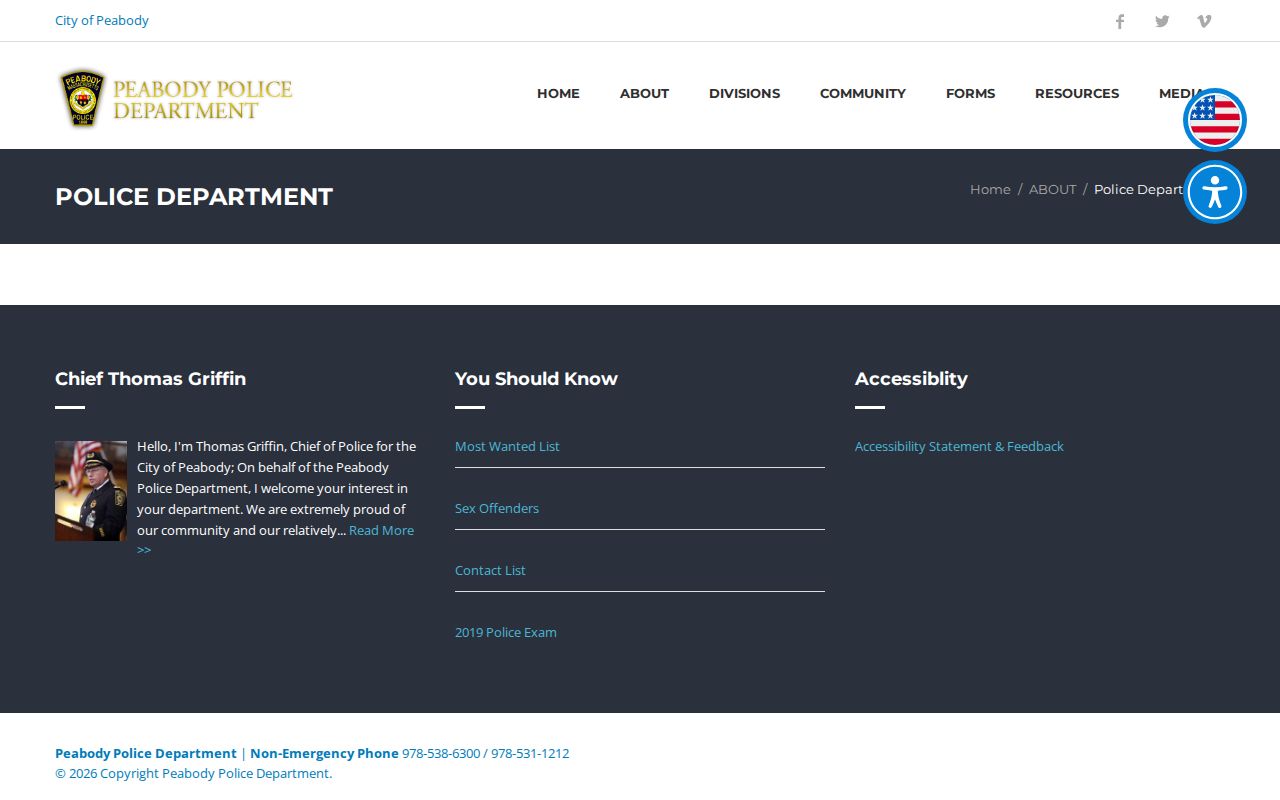
In this corner of Essex County, records live in one place and warrant authority in another. A records division hands out police reports when you ask. It cannot touch the status of a warrant. The Peabody Police Department posts its phone numbers plus a most wanted link, which highlights selected cases rather than serving as a full warrant lookup. Only the issuing court can confirm or recall what is active.
The Methuen Police Department page shows a records desk with its own hours, separate from the building's 24-hour entrance, and that desk is the right stop for a police report in Essex County. It is the wrong stop for a warrant recall. Lawrence District Court holds the criminal cases for that city, so the court and its clerk answer warrant questions there.
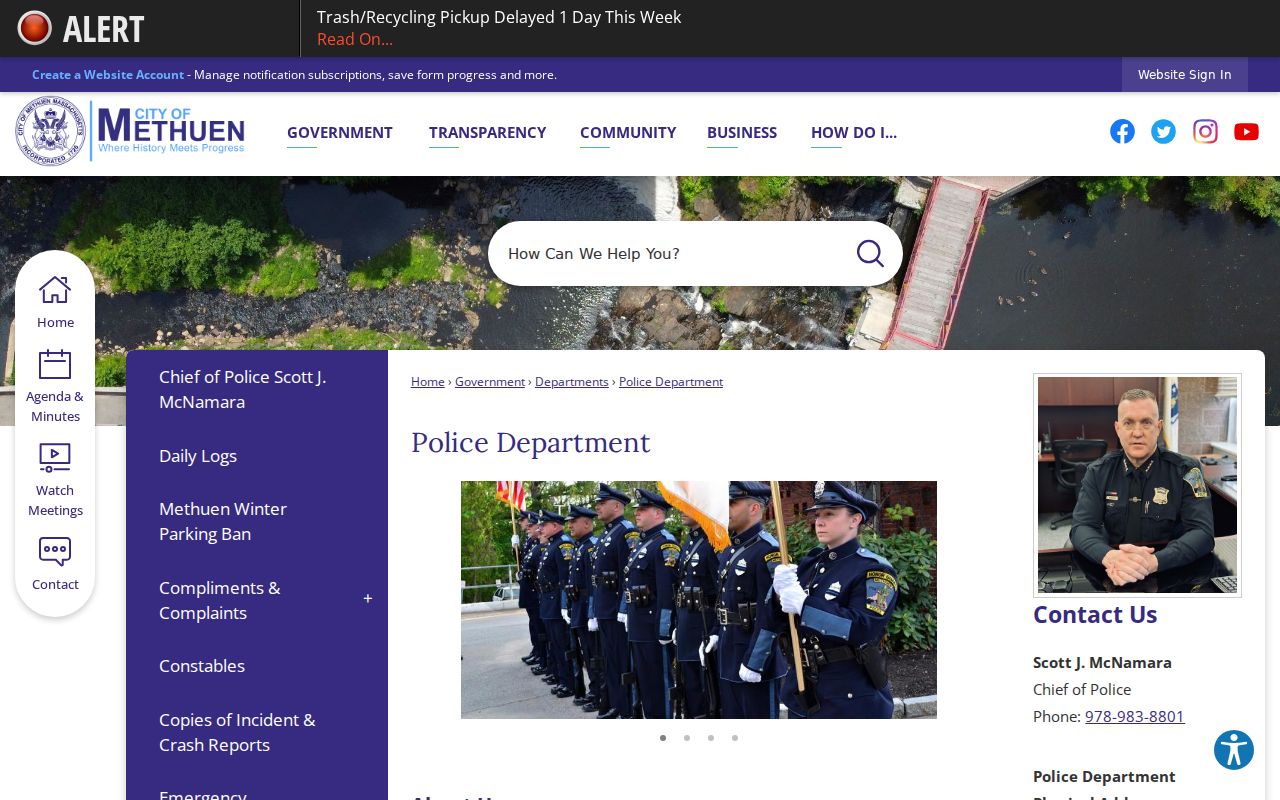
Those hours cover records requests, not warrant interviews, which belong with the court clerk.